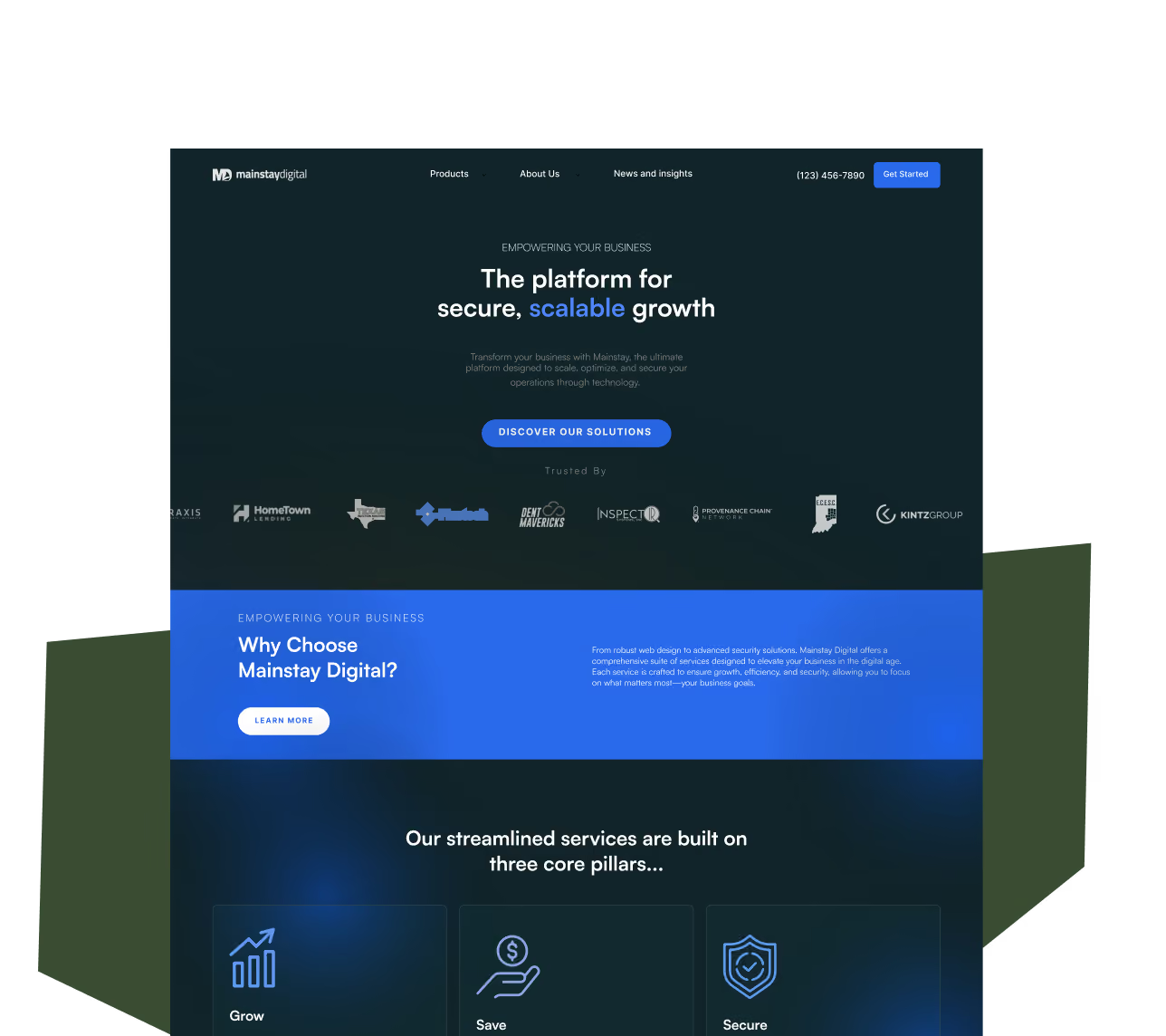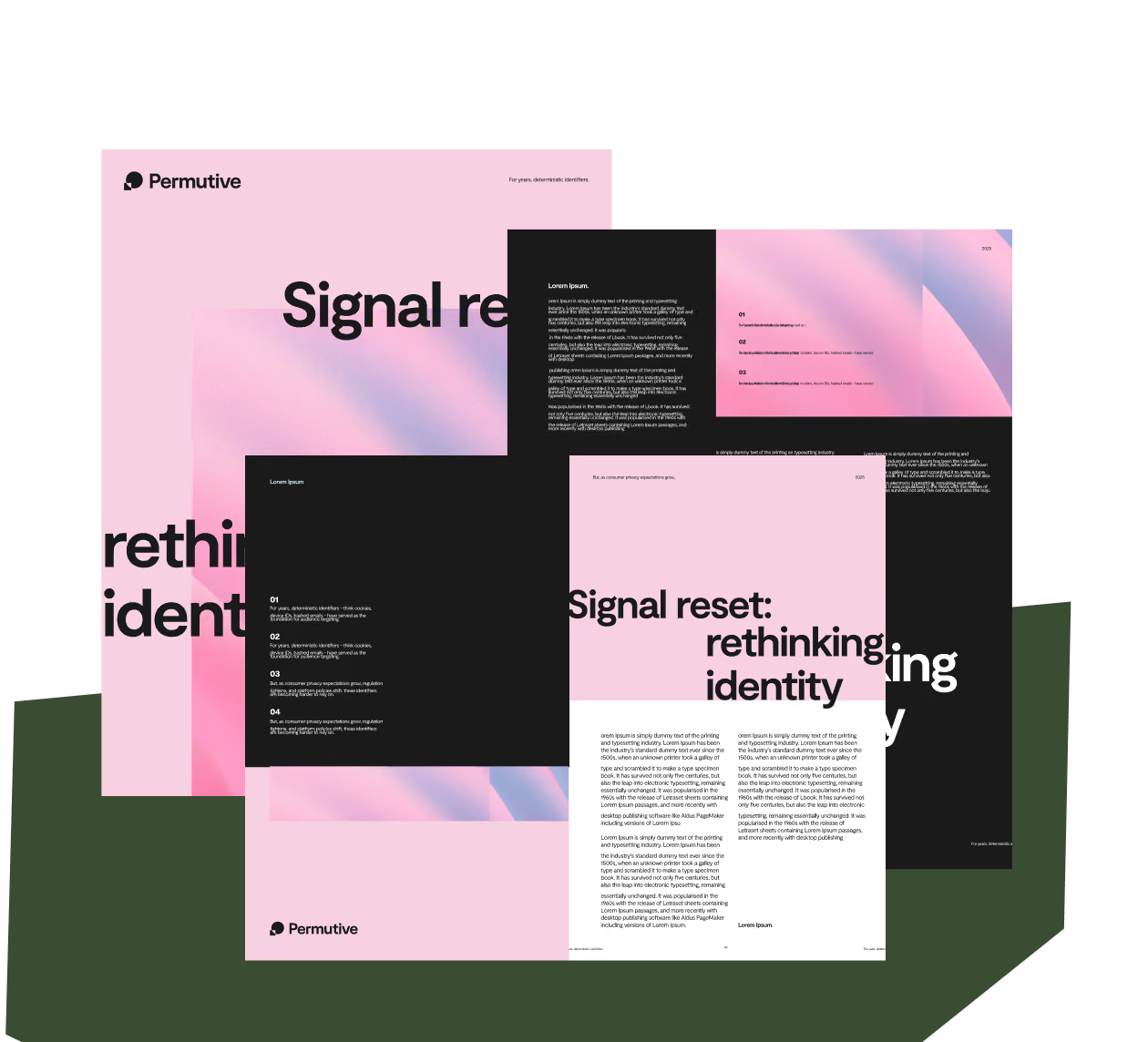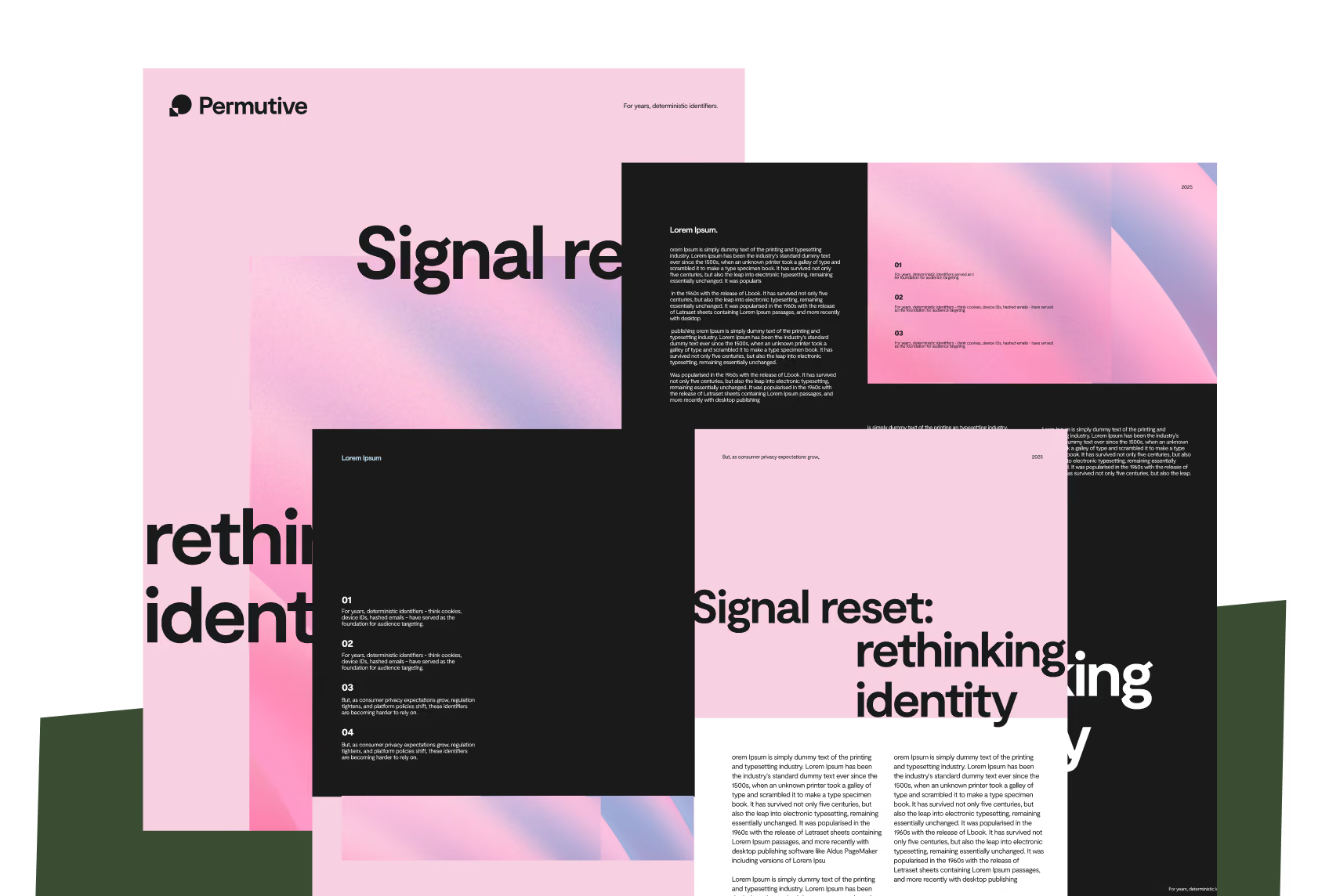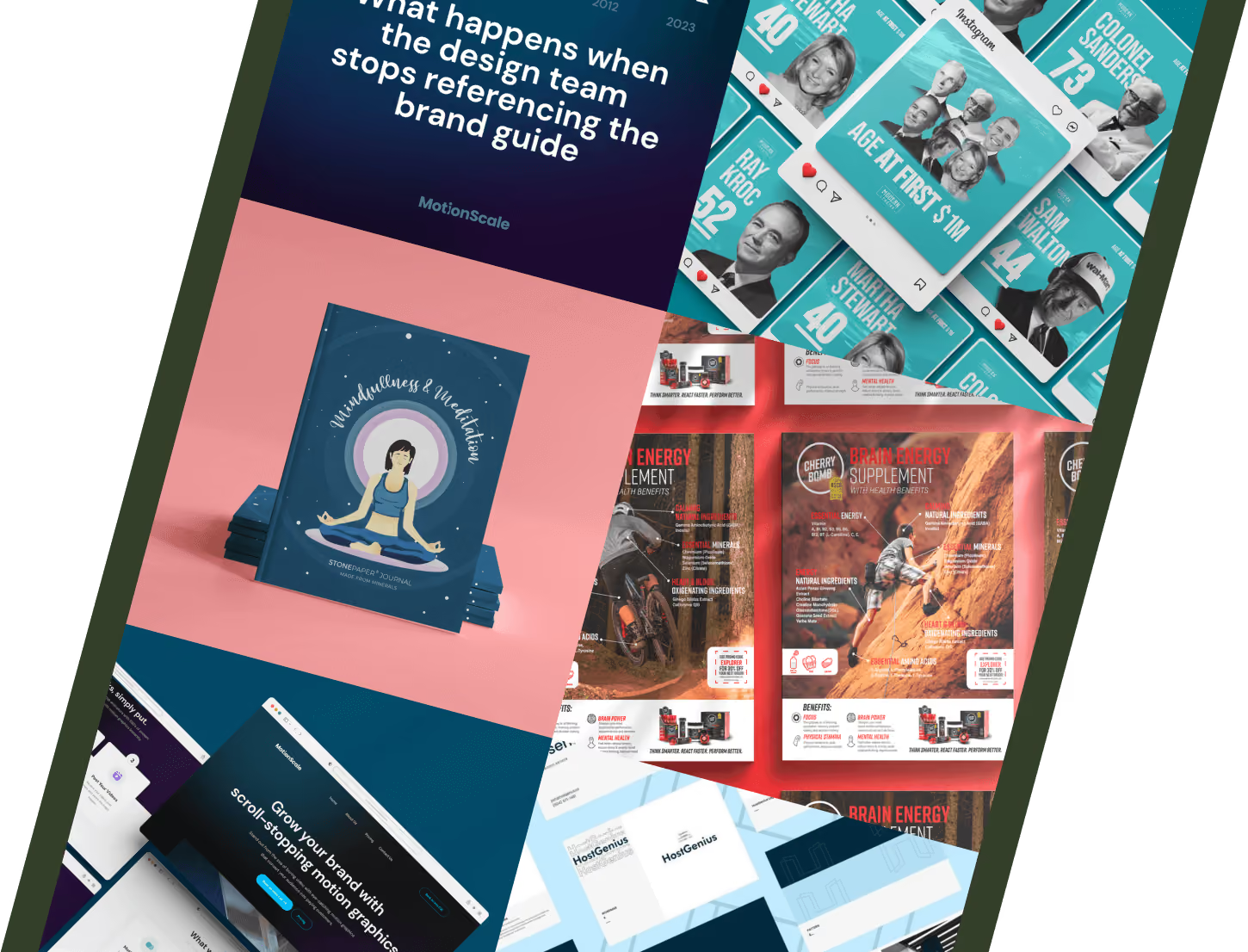
You just won approval for a big marketing campaign. The concept is solid, but executing it means producing a new logo for a landing page, multiple social ad variations, and a set of presentation slides, all on a tight timeline. Your internal team is stretched, and every asset needs to feel like it came from the same brand.
The rise of Creative-as-a-Service (CaaS) has made this scenario increasingly common. Businesses need flexible, high-quality design support that scales with marketing demands, without committing to full-time hires or expensive agency retainers.
Imagine you’ve turned to 99designs in the past for a quick logo refresh and now you’re considering it again. The process feels simple: launch a contest, get dozens of submissions, pick a winner. Yet, soon you realize it’s not quite plug-and-play; some designs don’t fully capture your brand’s personality, revisions take longer than expected, and your team ends up coordinating with multiple designers who may not have the full picture of your long-term goals.
This article breaks down 99designs versus Teamtown, comparing workflows, costs, creative quality, and long-term fit, so you can decide which solution aligns with your team’s needs for scalable, high-quality creative output.
99designs vs Teamtown – At a Glance
When evaluating design solutions, the first thing to understand is that these two models solve very different problems. 99designs is built for transactional, one-off projects. You launch a contest, receive submissions from multiple designers, and pick a winner.
On the other hand, Teamtown operates as part of the broader emergence of CaaS, designed for ongoing creative operations with a dedicated pod of designers led by a project manager.
Before diving into the details, it helps to see the key differences at a glance. This comparison table highlights how each approach works, who it’s best for, and what kind of commitment you can expect.
Many businesses assume that more designers equals better creative output. With 99designs, you might get 20 submissions, but none of them know your brand history or context. By contrast, Teamtown’s pod model works as an extension of your team, learning your brand once and applying it consistently across every deliverable.
Pricing and Cost Structure
Understanding costs goes beyond the website price. How you pay, whether that’s per contest or a subscription-based model, affects not just your budget but the efficiency, predictability, and overall impact of your creative operations.
How Much Does 99designs Usually Cost?
99designs operates on a contest-based, pay-per-project model. Prices typically break down like this:
- Entry-level ($299–$499): Basic logo or smaller design package.
- Mid-tier ($799–$1,299): More submissions, higher-quality designers, additional revisions.
- High-tier ($1,299+): Top-tier designers, full branding contests, or multi-asset campaigns.
While contests may feel like they offer a lot of choices, that variety can come with hidden costs. Platform fees, optional upgrades, and the time your team spends reviewing dozens of submissions add up quickly. Even if the contest seems affordable upfront, the need for repeated briefings and the risk of inconsistent designs can make the process more expensive, and time-consuming, than it first appears.
Teamtown’s Flat-Rate Model
Teamtown offers predictable, flat-rate pricing for unlimited creative requests and revisions. Highlights include:
- Unlimited assets, revisions, and requests.
- No hidden fees or surprise costs.
- Month-to-month flexibility, letting you pause, scale, or adjust your subscription as needs change.
- Dedicated pod and project manager, ensuring consistent output and faster turnaround.
Here’s an example breakdown:
- Flat monthly fee: $3000/month.
- Includes design pod and project manager.
- Supports logos, ad campaigns, presentations, social media, and email design.
By budgeting predictably, marketing teams avoid the hidden costs of content-based models, plus the operational overhead of reviewing and reconciling inconsistent submissions.
Workflow and Project Management
Workflow determines how quickly and consistently your creative outputs come together. Looking at contest-based versus pod-based approaches, highlights how each workflow can impact your team’s day-to-day campaigns and overall creative consistency.
99designs’ Crowdsourcing Model
The 99designs model is simple but transactional:
- Post a contest with your brief.
- Receive multiple submissions from different designers.
- Review, provide feedback, and pick a winner.
Pros:
- Quick turnaround.
- Creative variety.
- Global talent pool.
Cons:
- Inconsistent quality and submissions are speculative.
- Designers don’t know your brand, positioning, or business goals.
- Operational burden associated with reviewing dozens of entries, giving repeated feedback, and starting from scratch each time.
The biggest risk with this model is brand dilution. Content outputs often look good individually, but fail to scale across campaigns, channels, and teams. You’re left patching together one-off designs, rather than building a repeatable system.
Teamtown’s Dedicated Workflow
Teamtown takes a different approach:
- A tight, ongoing creative pod led by a project manager.
- Your pod learns your brand deeply and applies consistent design logic across all deliverables.
- Maintains rhythm, continuity, and reliability aligned with your marketing goals.
- Revision cycles are shorter, campaigns launch faster, and scaling is seamless.
Pros:
- Deep brand alignment and consistency.
- Faster revisions and smoother campaign execution.
- Scales easily across projects and channels.
Cons:
- Not ideal for one-off or very small projects.
Design Quality and Output
Not all creative solutions are equal. This section looks at the actual outputs you can expect from each model, including consistency, brand alignment, and overall reliability.
Pros and Cons of 99designs
Pros:
- High volume of creative ideas.
- Good for early-stage exploration or inspiration.
Cons:
- Speculative work (only the winner is paid).
- Varying quality levels, lack of cohesion across assets.
- Risk of off-brand or inconsistent design outcomes.
Teamtown’s Consistency
Teamtown focuses on cohesive, repeatable creatives across your campaigns. The same pod applies your brand rules and logic consistently, so all assets feel unified.
Teamtown works across all of your design needs, including but not limited to:
- Logos and branding packages.
- Digital and print ads.
- Social and web assets.
- Presentations, decks, and marketing collateral.
For example, a tech company cycled through multiple 99designs contests for ads, landing pages, and brand assets. Each deliverable looked like it came from a different company. After switching to Teamtown, within 30 days:
- Ads looked cohesive, resulting in improved performance.
- Internal briefs shortened, reducing revision cycles by 50%.
- Leadership reported creative finally felt “in-house”.
This example demonstrates how a dedicated pod model translates brand knowledge into repeatable, high-quality creative elements that actually drive business outcomes.
Scalability and Long-Term Fit
As businesses evolve over time, so do their creative needs. Understanding how different models and solutions scale with your team can prevent costly inefficiencies and frustration in the long run.
When to Use 99designs
- One-off projects, like a logo refresh or simple campaign creative.
- Quick contests where a high volume of ideas is more important than consistency.
- Situations where marketing teams can absorb the overhead of reviewing multiple submissions.
When Teamtown Fits Better
- Ongoing creative needs for marketing campaigns, ads, social content, or web design.
- Teams that require predictable output, fewer revisions, and consistent brand application.
- Companies that want scalable creative pods that grow with demand, rather than scramble for freelancers or contests.
Who Should Choose 99designs vs Teamtown?
Some solutions suit one-off projects, while others support ongoing operations. This section helps clarify which approach aligns with your team’s workflow, goals, and brand priorities.
Choose 99designs if:
- You need a one-off design or exploratory creative project.
- You want access to a wide range of ideas without a long-term commitment.
- You’re comfortable managing multiple submissions and iterations yourself.
Choose Teamtown if:
- You need consistent, ongoing creative support for campaigns, ads, and marketing collateral.
- You want a dedicated pod that understands your brand and works in sync with your roadmap.
- You value speed, reliability, and predictable costs.
Decision Checklist:
- Are you prioritizing volume or consistency?
- Do you need one-off designs or long-term brand growth?
- Do you want to manage designers individually, or rely on a project-managed pod?
- Do you need predictable turnaround and cost vs occasional bursts of creative?
By considering these factors, businesses can select the model that aligns best with their operational needs, creative goals, and long-term brand strategy, whether that’s transactional contests or scalable subscription-based creative pods.
Finding the Right Fit for Your Creative Needs
Choosing the right design solution comes down to your team’s needs. 99designs works well for one-off projects or quick creative bursts, but contests carry risks of inconsistent style and brand dilution. Teamtown, with its Creative-as-a-Service pod model, delivers predictable, scalable, and cohesive creative across all campaigns, with a team that learns your brand and reduces revisions.
For marketing teams seeking ongoing, high-quality support, Teamtown provides continuity, rhythm, and reliable output, making it easy to scale creative operations without extra overhead. Ready to get started? Explore our work or book a call today.