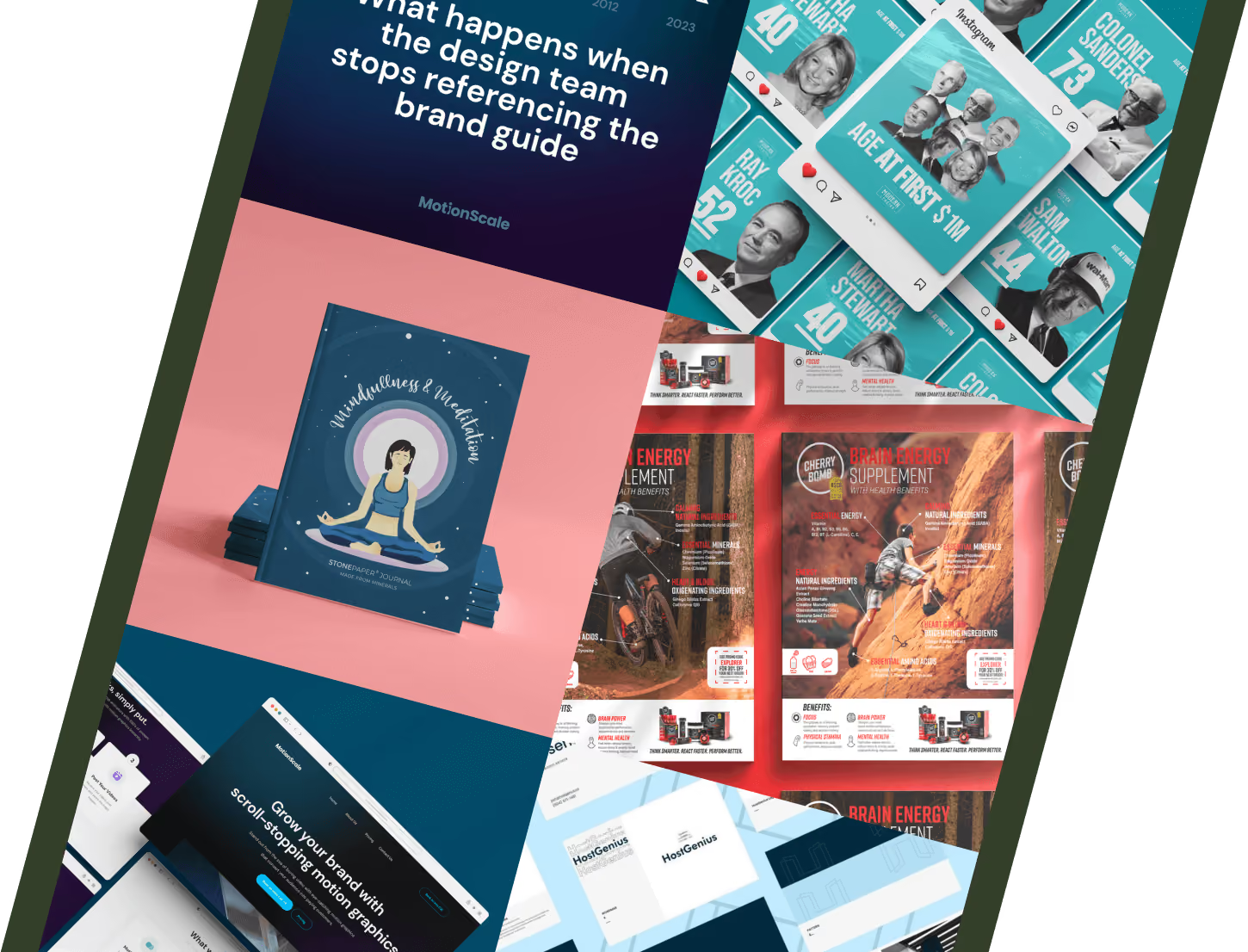
Quick Answer: The right social media design agency depends on what your team needs done. Teamtown fits marketing teams that already manage social strategy and publishing but need a dedicated team for carousels, ads, and motion. Superside suits enterprise-scale creative work. ManyPixels, Penji, Kimp, and Design Pickle offer different recurring design models, while Sociallyin and The Social Shepherd are options when you also need social media management.
A $699 design subscription and a full-service social media agency might both make Instagram graphics. One gives your team extra design capacity. The other can take responsibility for the entire channel. Those are very different purchases.
If strategy and publishing are already covered, you may only need someone to clear the backlog of carousels, ads, and campaign graphics. If nobody is managing the accounts, design alone won't fix the problem.
I run Teamtown, which is on this list. I'll explain why I'd choose us for some teams and recommend a different kind of agency for others.
I compared ten providers on price, capacity, services, and customer feedback.
Key Takeaways
- Decide whether you're buying design or social media management. An agency that builds your creative and an agency that owns strategy, publishing, paid media, and community management solve different problems. Paying for the second won't make sense if you already have that work covered.
- A low monthly price can hide a small production allowance. Check design hours, active projects, revision time, and whether motion or video costs extra.
- Several providers offer familiar designers. Kimp has dedicated teams, Penji assigns creatives on certain plans, and Design Pickle matches creatives to brands. Compare the people managing the work, the hours included, and how you'll communicate.
- Prices vary widely. ManyPixels starts at $699 a month and Teamtown at $3,000. Superside's minimum is $15,000 a month plus a $1,000 software fee, on an annual term. Some full-service agencies only quote after discussing the work.
- Teamtown is built for marketing teams that own their strategy but need more design capacity. Essentials starts at $3,000/month with a dedicated Project Manager, Creative Lead, and design team. Book a call to see which plan fits your content calendar.
The 10 Best Social Media Design Agencies at a Glance
Prices reflect the providers' published information reviewed in November 2026. Confirm the current quote and exact scope before buying.
Which Type of Social Media Agency Do You Need?
A social media design agency creates assets: carousels, campaign graphics, ad variations, video edits, templates, and channel-specific versions.
Some also provide creative direction. In those cases, strategy, copy, scheduling, and community management may still be your team’s job.
A full-service agency can handle both. If nobody internally owns the social channels, that's valuable. If your team already handles strategy, publishing, and paid media, you may be paying for a layer of management you don't need.
Design subscriptions work differently again. They give you ongoing production within a set number of hours, active requests, or both.
To decide which one you need, start with three questions:
- Who decides what gets made?
- Who makes it?
- Who publishes it?
You might outsource all three. Plenty of marketing teams only need help with the middle one.
How We Chose These Agencies
I founded Teamtown in 2020 and have spent the years since building a design team for marketers whose creative workload has outgrown their in-house capacity.
It's the perspective I bring to this comparison, though these agencies don't all sell the same service.
To make the list, a provider needed examples of social design work, a clear way of delivering it, and enough public information to evaluate the offer. I've included published prices when available. For agencies that only quote after a call, I've said so.
I checked G2, Clutch, Trustpilot, and Product Hunt too. An actual user saying how revisions or communication worked tells me more than a star rating on its own.
Where I mention a complaint, I've kept it tied to a review. One unhappy customer shouldn't be presented as a company-wide pattern.
I put Teamtown first because I'm writing for marketing leaders who already have a strategy and need a reliable team to produce the creative. That's our specialty. Kimp, Penji, and Design Pickle provide some similar services, but with different teams, hours, and ways of working. The enterprise and full-service agencies cater to different needs altogether.
The 10 Best Social Media Design Agencies in 2026
1. Teamtown, Best for Marketing Teams With a Full Creative Calendar
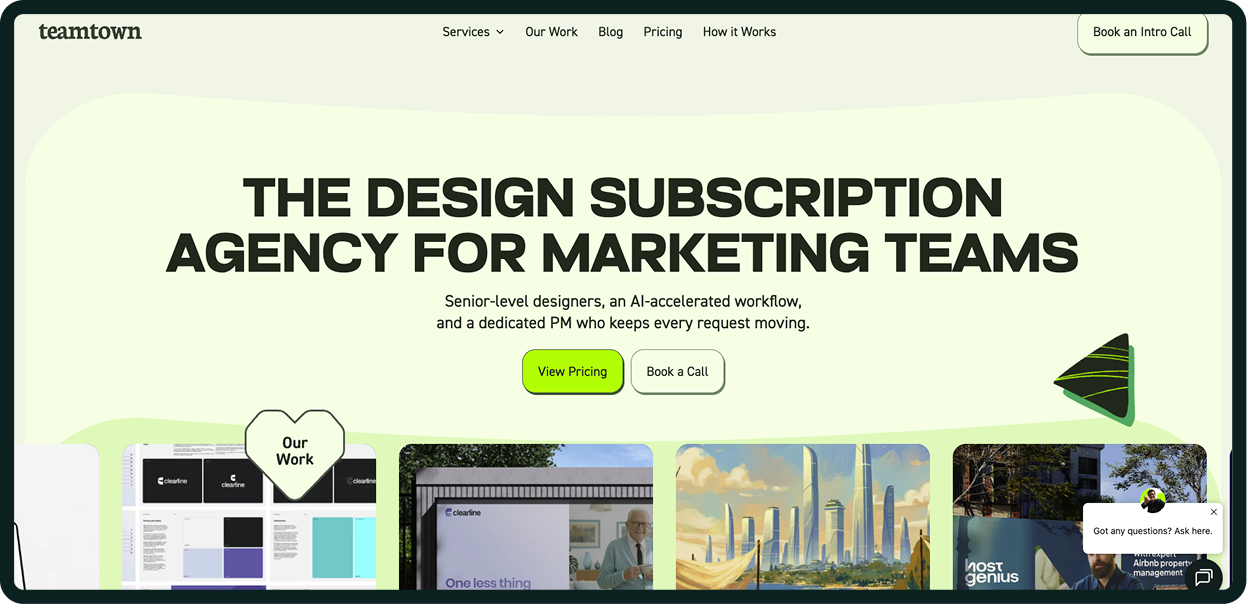
Many B2B SaaS and technology marketing teams that come to us already own social strategy and publishing. Some even have an in-house designer. The problem is that every launch, webinar, and campaign lands in that person's queue, with ads, email, and web creative competing for the same hours.
A carousel gets finished, but the ad set or sales deck has to wait.
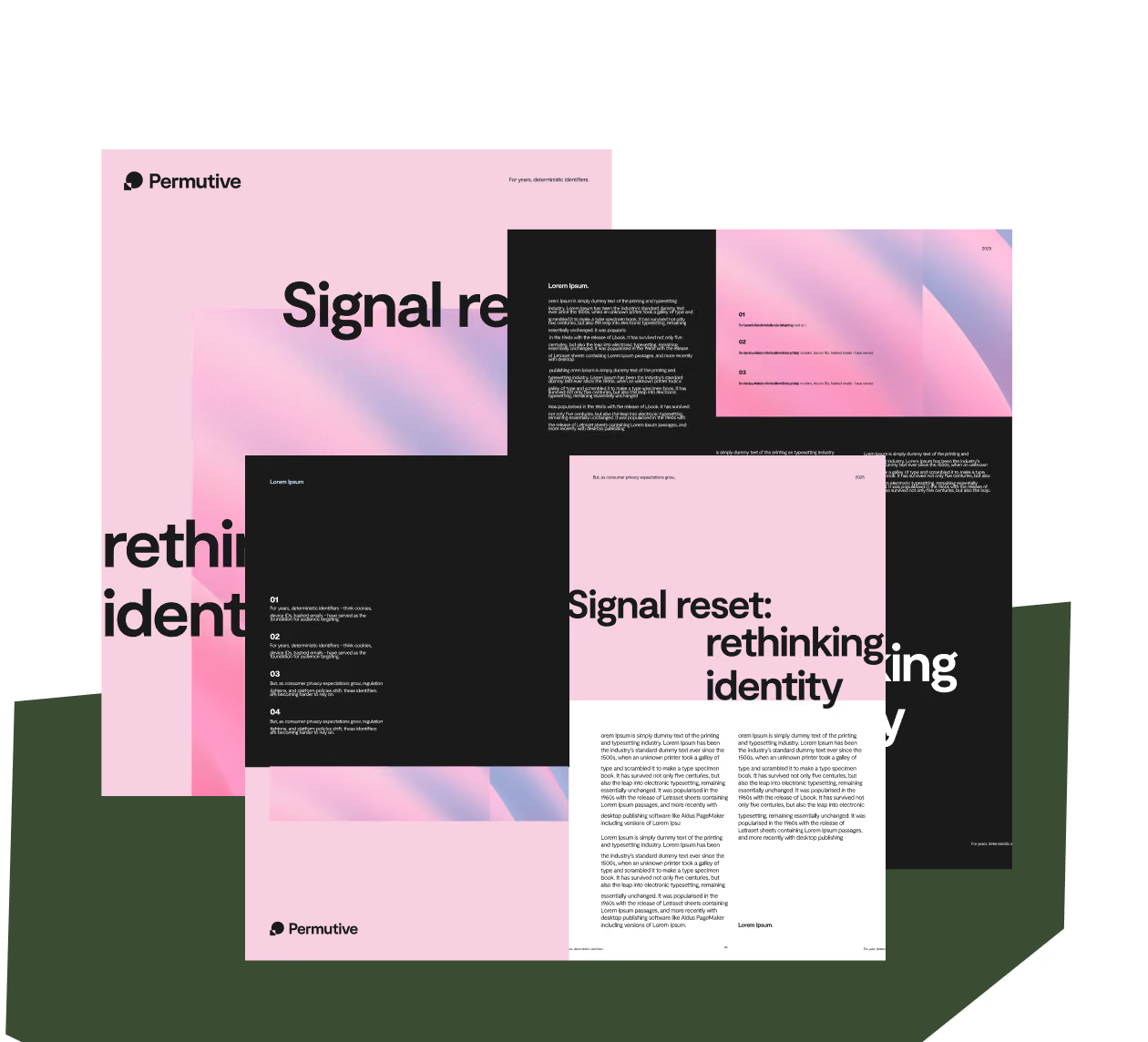
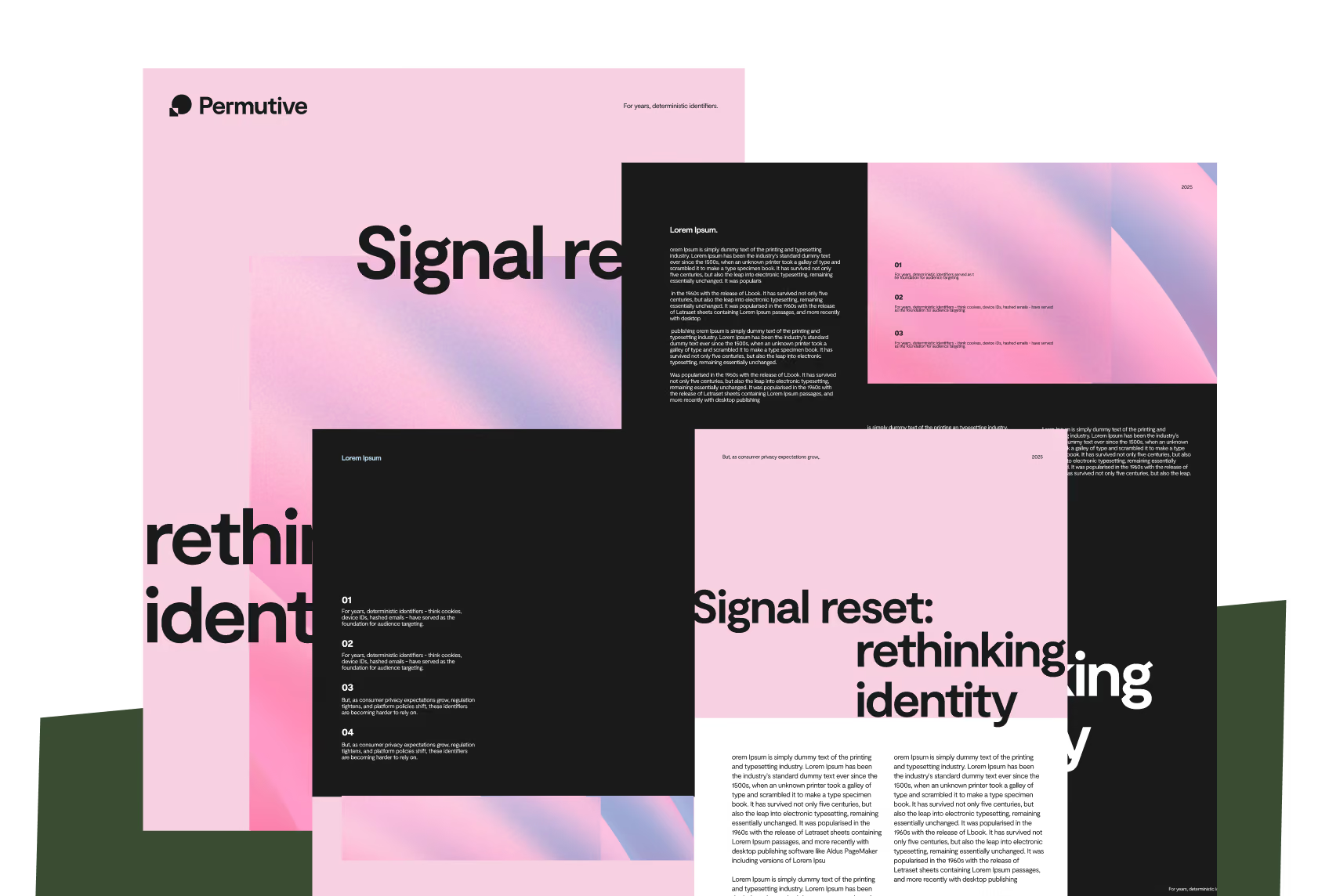
Through our social media design service, Teamtown assigns a Project Manager, Creative Lead, and a consistent group of three to five designers. They work with you in Slack and start with a Creative Brand Workshop, so the team understands the brand before handling the recurring work.
One week they might be working on LinkedIn carousels and ad variations; the next, on motion, presentations, or a landing page.
The starting plan, Essentials, is $3,000 per month for about 40 hours and two active projects. Pro starts at $4,500, with five active projects and more advanced motion and 3D work.
For larger teams, Studio starts at $9,900, with eight active projects, copywriting, and fractional Creative Director support. All plans run month to month, require 15 days' notice to pause or cancel, and allow unused hours to roll over for one month.
BuildOps was running into the exact problem a dedicated design team should solve. Its marketers were creating social graphics themselves, the brand looked different from one campaign to the next, and demand kept growing. The team needed more production capacity without adding a full-time designer.
Other clients use Teamtown in different ways. Built Technologies uses the team for LinkedIn and Reddit campaigns alongside broader design work, while Motivosity replaced a group of freelancers with one consistent creative team.
There are limits. We don't schedule posts, manage communities, run paid media, or set your social strategy. On Essentials and Pro, you provide the copy.
For a handful of static posts, a freelancer or smaller subscription will usually cost less. For complex video, look at Pro rather than assuming Essentials includes everything.
The independent review base is still relatively small on Trustpilot and G2. One Trustpilot reviewer describes early back-and-forth while the designers learned their standards; a G2 reviewer notes the absence of in-person brainstorming.
I'd choose Teamtown when marketing already owns the calendar and needs a reliable design team to keep it moving. You're paying for coordination and creative leadership, as well as production hours. If you need isolated graphics or someone to run the accounts, look elsewhere.
If that sounds like you, book a call with next month's content calendar. We'll help match the work to a plan.
2. Superside, Best for Enterprise-Scale Creative Production
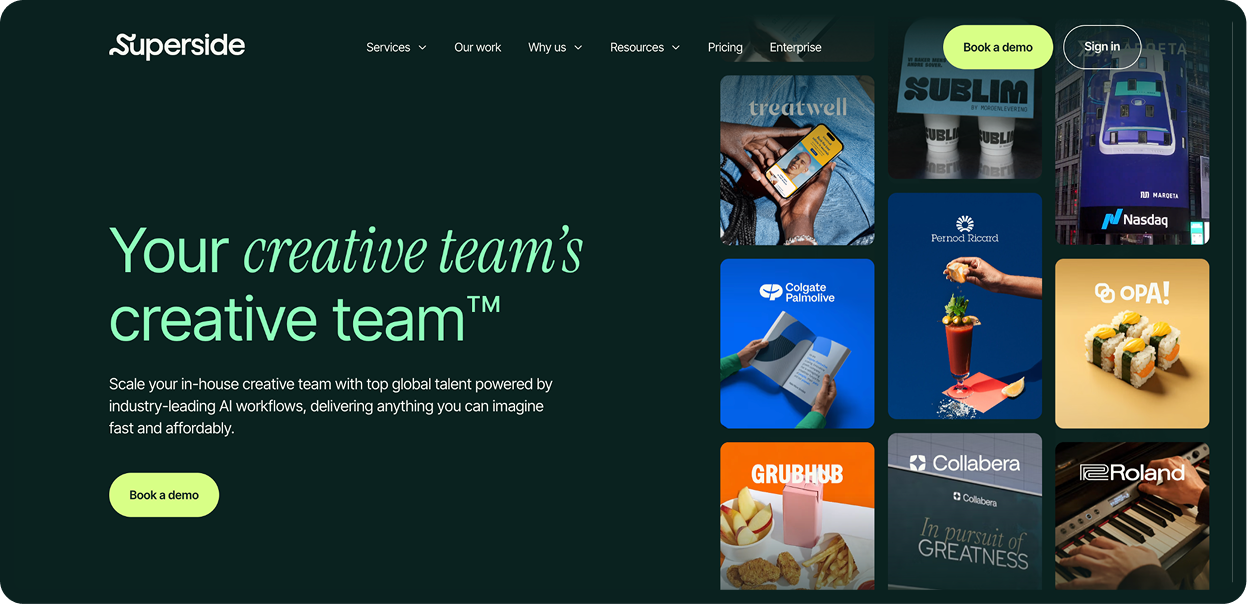
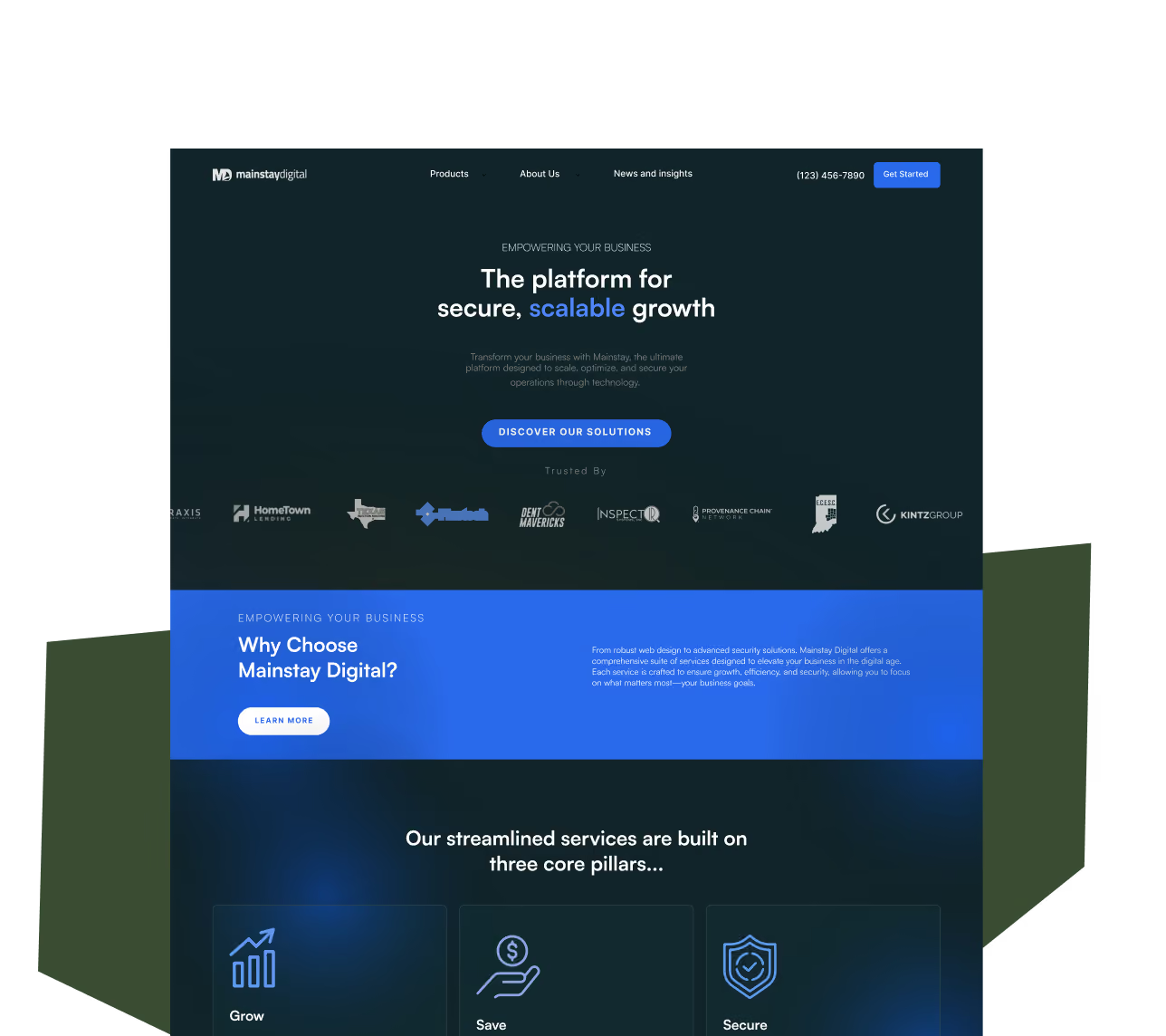
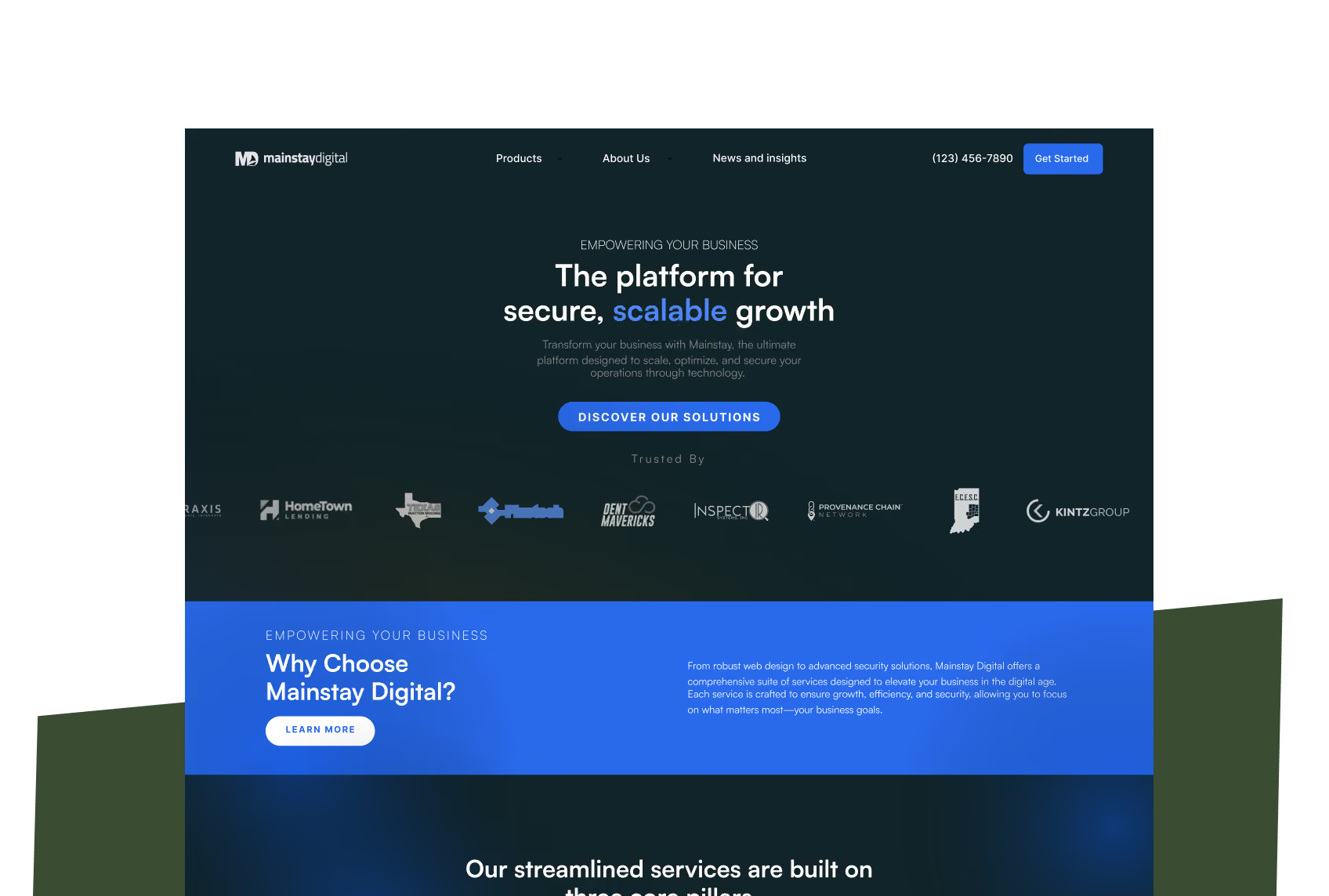
For enterprise brand and marketing teams running campaigns across several markets, Superside covers far more than static social posts. Its services include paid creative, video, motion, 3D, augmented reality, creative strategy, and adaptations for different markets.
Its published minimum is $15,000 a month on an annual term, plus a $1,000 monthly software fee. The Dedicated model starts at $30,000 per month. Flex uses a pool of specialists matched to projects, while Dedicated is intended for teams that want more continuity. Superside also allows unused Flex budget to roll over for up to three months. That's a different cost and staffing model from the one we outline in Superside vs Teamtown.
Superside's G2 reviews include plenty of praise for creative quality. But one critical reviewer says the team did well on routine presentations and social posts, then struggled with a project the client considered straightforward.
Ask to see work similar to yours, not only the biggest names in the portfolio.
The published minimum adds up to about $192,000 a year including the software fee. Enterprise teams needing specialists across markets may have the work to justify that commitment. A team mainly producing LinkedIn posts and ad variations probably doesn't.
If that annual commitment is hard to justify, start with alternatives to Superside that sell smaller monthly production allowances.
3. ManyPixels, Best for Smaller Teams With Predictable Design Work
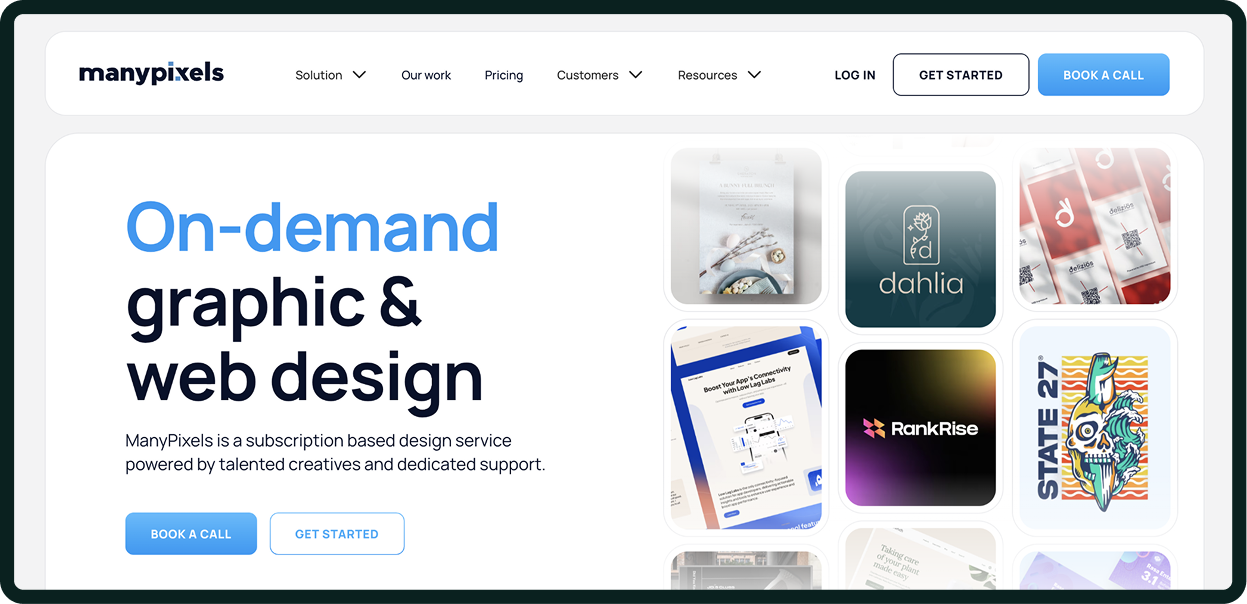
For smaller marketing teams with recurring design requests and a tightly managed budget, ManyPixels makes its daily production allowance relatively easy to understand. Advanced starts at $699 per month for up to two hours of design work a day, usually on one task. Business is $1,199 for up to four hours a day and usually two tasks.
An assigned designer costs $1,399; a two-designer team costs $2,599. The service also covers illustration and web design alongside social graphics.
Every plan includes a project manager and quality control, and ManyPixels says it tries to keep clients with familiar designers. For clear, recurring briefs, that can work well. Several large campaigns running at once are a different matter.
A carousel with custom illustrations and revisions uses more of Advanced's two-hour daily allocation than a banner update.
On Product Hunt, one customer calls the service good value but says quality depends heavily on the designer. Another felt delivery was slower than advertised. Neither experience speaks for every customer, but both are worth discussing on a sales call.
ManyPixels makes sense for a small team with regular static requests and tight spending limits. If you're running multiple campaigns at once, compare the hours and assigned designers on its higher tiers before deciding which plan is cheaper for the work you need.
Our ManyPixels alternatives guide is useful when the entry-plan queue starts to look too restrictive.
4. Design Pickle, Best for Structured, High-Volume Production
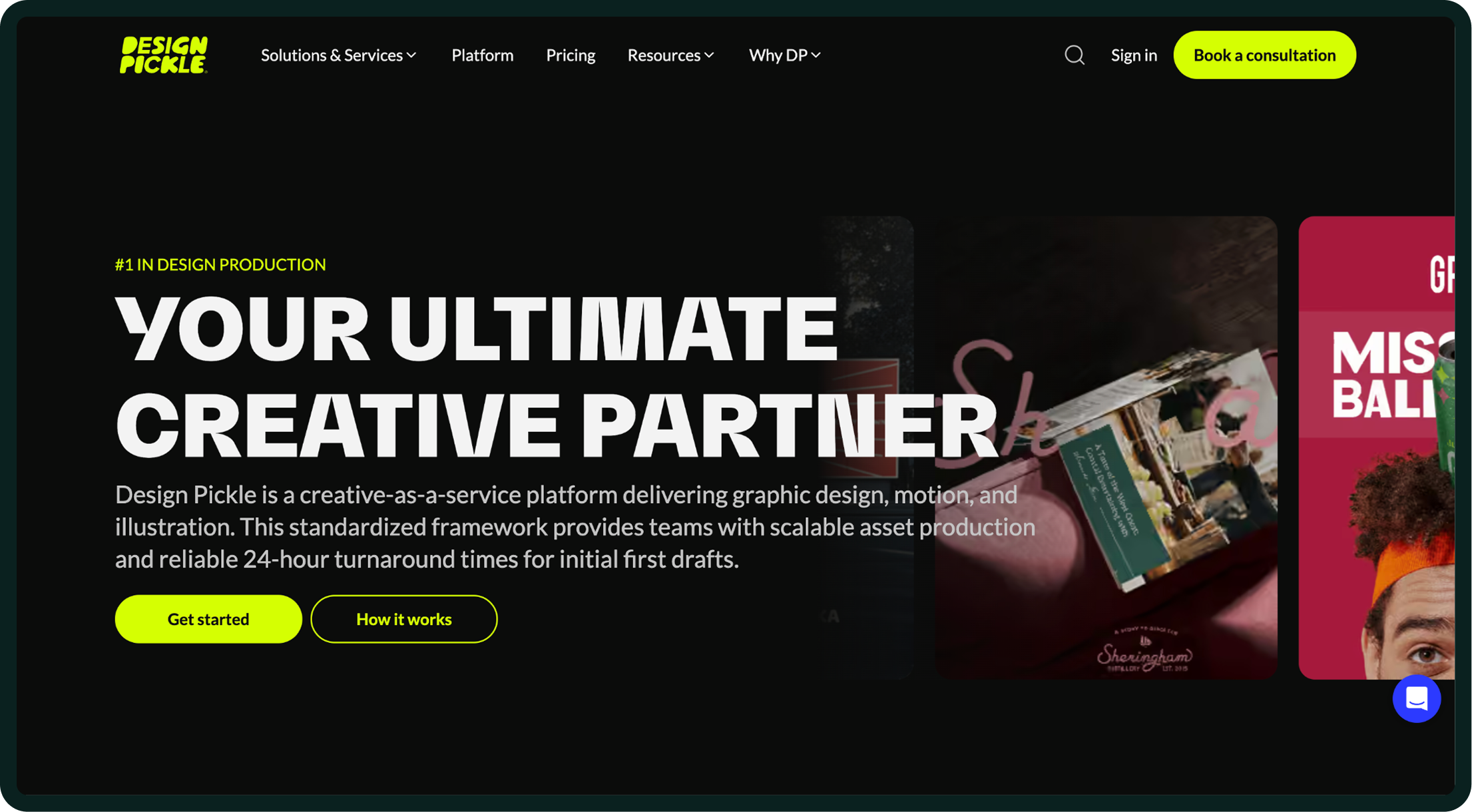
Design Pickle works with teams that have a steady backlog of design requests and want creatives trained on their brand. It's been around long enough to build a mature production platform. Today it sells managed creative capacity, not simply an unlimited request queue.
The team handles social graphics, ads, email assets, presentations, illustration, motion, and video. Canva is the default, with Adobe and Figma available when needed.
Plans start at $2,200 a month, with the final price set on a call. Ask about the management level as well as the hours.
Design Pickle says production coordination is included at four or more daily design hours, while an art director is included at eight or more. Smaller plans can add those services for an extra fee. That's worth checking if you're comparing Design Pickle with Teamtown, where creative leadership comes with the entry plan.
Design Pickle's G2 reviews range from strong praise to complaints about revisions and coordination. In this 2026 review, a user praises the breadth of design talent while acknowledging that a large project queue can become hard to manage.
A separate, more negative review describes delays and repeated corrections on a sample project. That second account is an outlier, but both reinforce the need to ask how revisions affect the capacity you're buying.
Before signing, check how many daily hours you're purchasing and whether coordination or art direction is included. The $2,200 entry price doesn't automatically cover either role, and billing is quarterly or annual.
For a steady stream of well-briefed production work, Design Pickle can make sense. If you need a different management arrangement or more flexible billing, there are other Design Pickle alternatives to consider.
5. Penji, Best for Repeatable Social Graphics and Agency Work
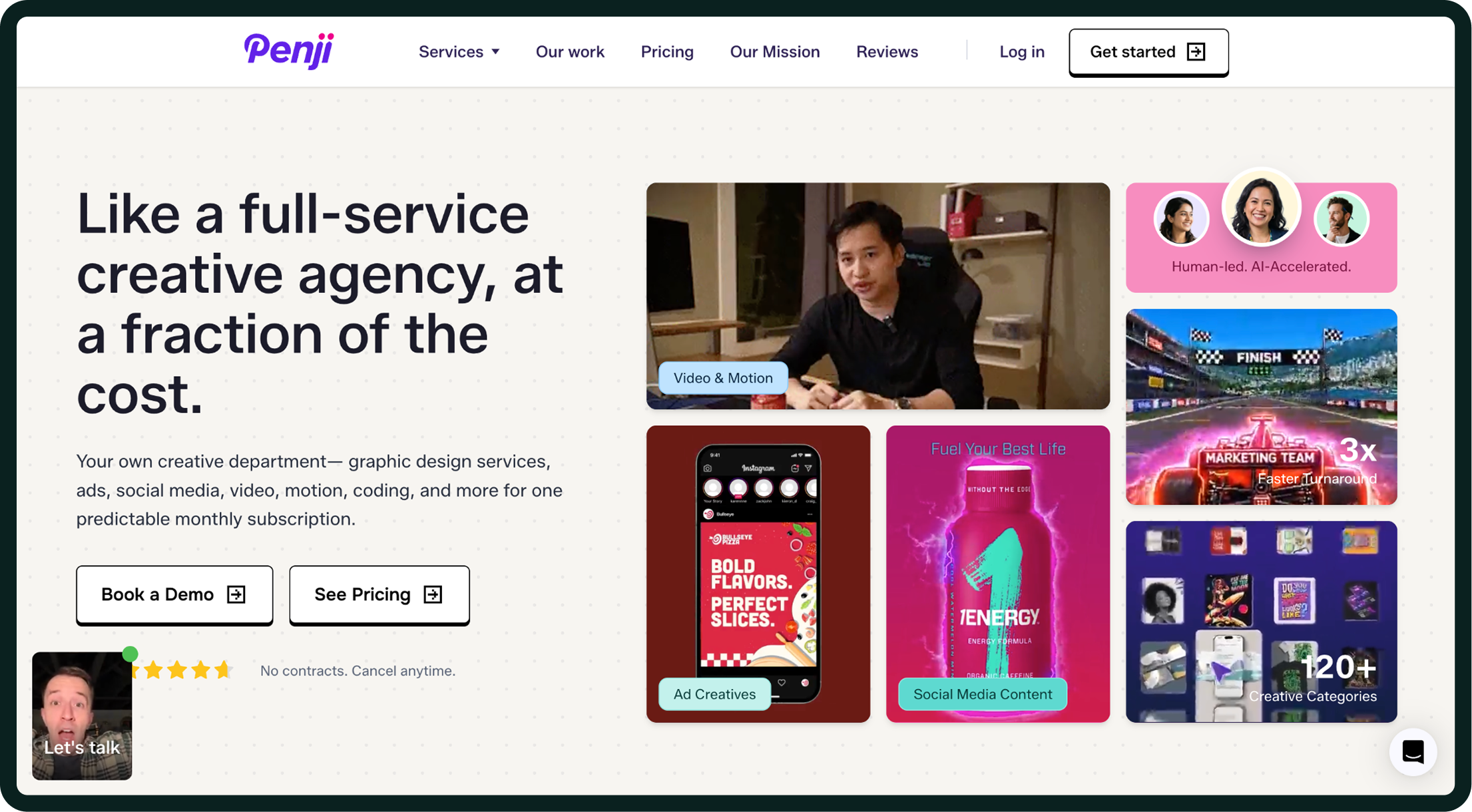
Penji is a good option for agencies handling multiple brands and marketing teams with recurring ads, social graphics, and illustrations. It starts at $995 per month for Essentials, which includes two active design projects and static creative work.
Agency Partner costs $1,995, adding capabilities such as short-form video, Reels, and motion, while Dedicated Team is $4,500. They also have a white-label workflow for agencies and an established request platform.
Penji works well when requests can be queued and briefs are repeatable. Agency Partner comes with assigned creatives, though not an exclusive team. You'll need Dedicated Team for Slack collaboration, an important difference if you're comparing Penji with Teamtown.
On Penji's G2 reviews page, customers praise turnaround and design quality. One reviewer also describes communication difficulties, although they liked being able to request a different designer.
Penji's $995 plan is worth considering for repeatable static work. Reels and motion bring the price to at least $1,995, while direct Slack collaboration requires Dedicated Team ($4,500).
Before committing, check whether Penji's 30-day guarantee applies to your plan. If its queue or service restrictions are a poor match, consider Penji alternatives with different design-team arrangements.
6. DesignJoy, Best for Founders Who Want One Senior Designer
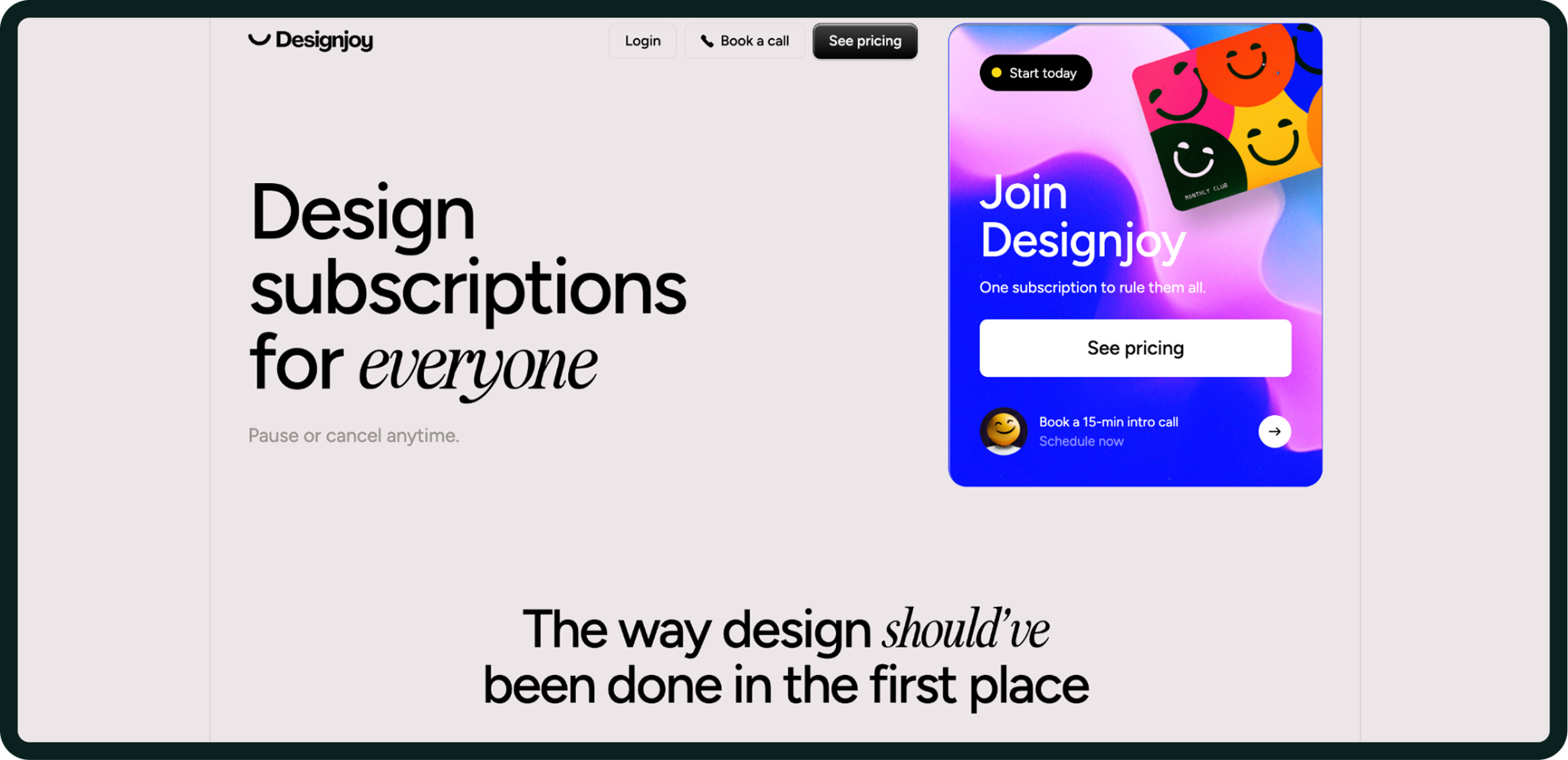
DesignJoy appeals to founders who need brand, product, and web design alongside occasional social graphics, and want to work directly with one senior person. That person is founder Brett Williams, who runs the studio himself. The current published subscription is $4,995 per month.
Work is submitted through Trello, communication is asynchronous, and one request moves at a time. The service also includes Webflow development, which can be valuable for an early-stage company. That one-person setup is the key difference when comparing DesignJoy with Teamtown.
Brett handles the design himself, so there are no handoffs between creatives. There's also only one queue. DesignJoy publishes an average of about 48 hours per request, and social posts compete with brand, product, and website projects for that time.
There isn't much independent review coverage on G2, Clutch, or Trustpilot. I've relied on DesignJoy's published terms and the founder's explanations of how the service works.
I'd recommend DesignJoy to a founder who wants Brett directly involved in brand, product, and web design. For a marketing team shipping several social campaigns every week, the single-request queue would give me pause.
If you'd rather keep a subscription but need more people working on requests, alternatives to DesignJoy offer other ways to staff the queue.
7. Growmodo, Best for Teams That Need Web Work Alongside Social Design
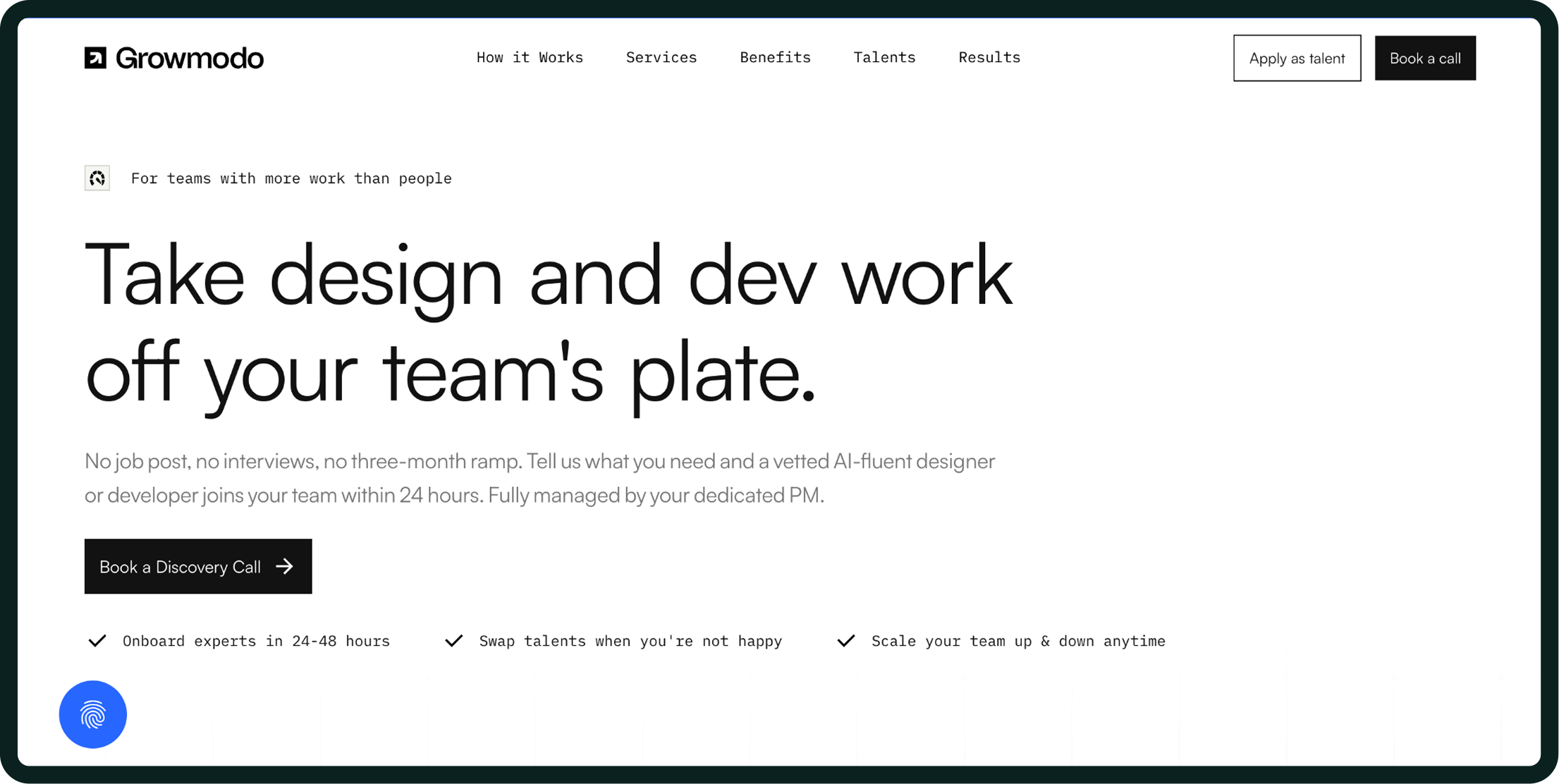
Agencies and growing businesses often need website design or development on the same weeks they're producing social creative. Growmodo is built around that mixed backlog and charges by assigned specialist. Its two plans have quite different scopes.
The AI + Fractional Experts plan costs $1,500 per talent per month for about 40 hours. Your team starts the work with AI; the expert polishes or checks it. All-Inclusive Production costs $3,000 per talent for roughly 80 hours, taking work from brief to final asset.
Each talent handles one active project at a time, with project management and quality checks included.
The $1,500 option assumes you've already done the first pass with AI. It shouldn't be compared directly with a service that starts from a brief.
At $3,000, the comparison is closer. Growmodo's All-Inclusive plan offers about 80 hours from one specialist. Teamtown's Essentials includes about 40 hours from a managed creative team, with two projects active at once.
A team with detailed briefs and a backlog of web and social tasks may prefer Growmodo's extra production hours. A team that needs someone to oversee creative quality across several types of work may prefer Teamtown's setup. We compare the staffing and workflow differences in more detail in Growmodo vs Teamtown.
Either way, I'd scope the same month's work with both before deciding.
On Growmodo's Trustpilot page, customers often praise project management and communication. In this February 2026 review, a user says the team delivered a custom website quickly and that communication through Asana was easy. It's a useful example of the web-development work the service handles, though you'll still want to ask how much direction your own team must provide.
If your website backlog and social calendar regularly overlap, ask Growmodo to price a second talent as well as a single-specialist plan. One specialist can move only one project at a time.
8. Kimp, Best for Recurring Graphics and Video
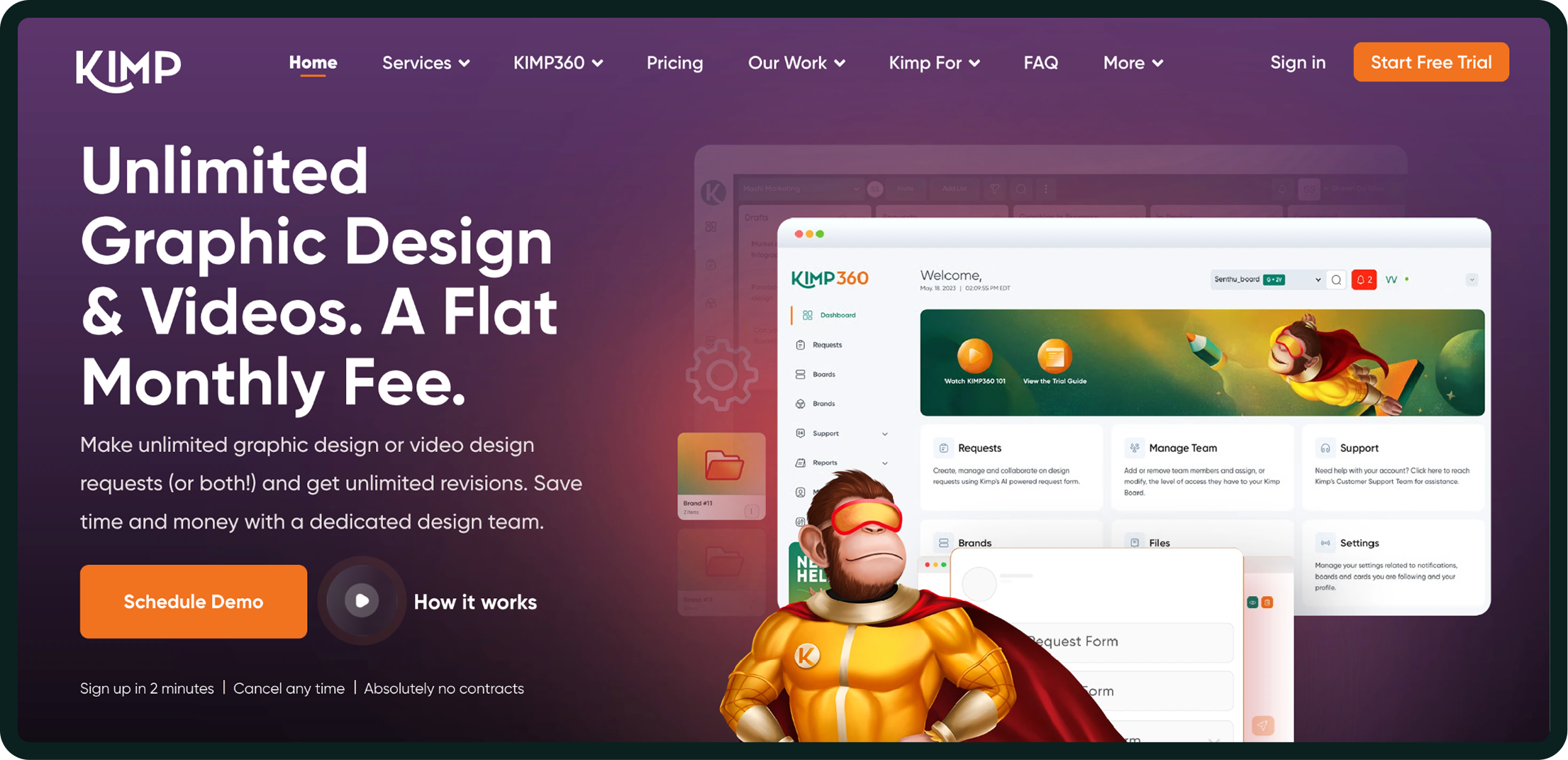
Kimp is geared toward teams with an ongoing stream of social graphics and video edits, particularly when they don't need a separate strategy engagement. It sells graphics and video as separate subscriptions, plus a combined option.
Its standard published price is $1,397 per month for Graphics or Video, or $1,697 for the combined plan. They offer a 50% discount on the first four months. Take that into account when budgeting.
With the combined plan, three graphics requests and two video requests can be active at once, in separate workflows. Kimp also assigns dedicated design teams and project managers.
When comparing Kimp with Teamtown, the important distinction is how much design time and oversight come with each arrangement. Kimp describes its Graphics capacity as roughly two to two and a half production hours each business day. I'd use that figure, along with the separate video allocation, to estimate what the plan can deliver.
Kimp's Trustpilot reviews are largely positive, though its G2 review base is smaller. One reviewer praises responsiveness and quick incorporation of feedback after two years with the service. Another is pleased with the value but says the team sometimes needs a push. Neither review establishes how much work your own briefs would require, so ask for an estimate against the daily hours.
For regular graphics and video work, get Kimp's standing monthly rate in writing and ask what that buys in production hours. The four-month promotion makes that especially important.
If Kimp's daily capacity is too limited for your workload, check other Kimp alternatives before deciding that the introductory price makes it the better deal.
9. Sociallyin, Best for Brands That Want Their Channels Managed
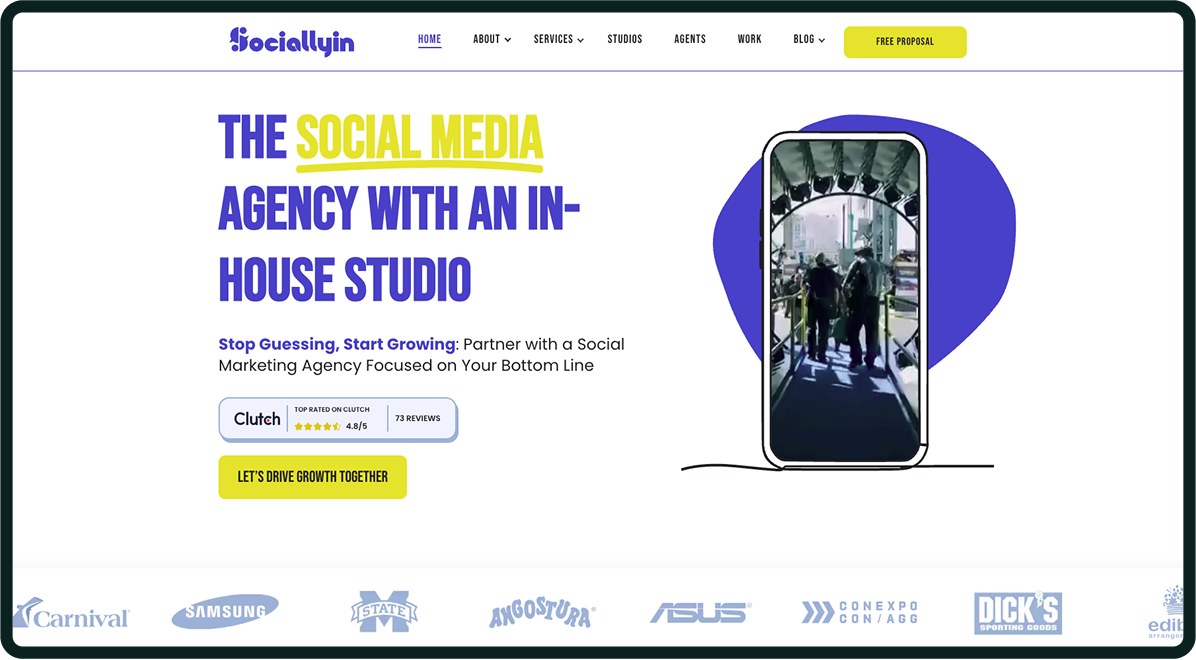
For brands without an in-house social team, Sociallyin takes responsibility for more than the visual assets. It handles social strategy, content production, community management, paid social, and related campaign work. It's a broader service than a design subscription.
The agency helps plan what gets published, produces the content, and manages what happens after it goes live.
Sociallyin doesn't list a standard retainer. Pricing depends on the channels, content, and management work included in the engagement.
There are numerous client reviews on Clutch. One reviewer describes an organized, responsive team; another one also praises project management.
If your team already manages strategy, publishing, and community, ask whether Sociallyin's broader services would duplicate that work. Its retainer makes more sense for a company handing over responsibility for the entire channel.
10. The Social Shepherd, Best for Video-Led Consumer Campaigns
The Social Shepherd is geared toward consumer brands putting video and creator content at the center of a campaign. Its work covers social-first video-led campaigns: user-generated content, full shoots, motion, art direction, and creative for paid social.
For a consumer brand planning a larger launch, having those people work together can save coordination. The concept, shoot, edits, and paid placements all have to support the same campaign.
The agency doesn't publish standard rates. There's also limited independent review coverage: its main Clutch profile has no verified client reviews yet. I'd ask for a recent case study in your category and a written breakdown of the proposed work.
A B2B team that mostly needs LinkedIn carousels may not use much of that production setup. If you’re a consumer brand planning a video-led launch, this is the option I’d recommend.
How Much Do Social Media Design Agencies Cost?
A $699 subscription, a $3,000 managed team, and a $15,000 enterprise engagement cover different work. One may expect you to manage every brief. Another may include creative leadership, video, and a longer contract. Those differences can matter more than the monthly rate.
Before comparing the numbers, check the fine print.
Kimp's introductory discount expires after four months. Superside requires an annual term; Design Pickle bills quarterly or annually.
Video, art direction, or additional active projects may also cost more than the advertised entry price.
If you're comparing an agency with an in-house hire, include recruiting, management, and the range of skills required. Our guide to the cost of hiring a designer covers that separately.
What Does a Real Month of Social Design Look Like?
What would you hand an agency next month? For a B2B team running LinkedIn, Instagram, and a small paid program, the calendar might look like this:
That's 32 deliverables, but the agency may not count them as 32 requests. A carousel might be one project. A campaign with several sizes and variations might be broken into multiple tasks.
A new animation also takes longer than updating a template.
Active projects tell you how many tasks can move at once. Production hours tell you how much time is available to complete them. You need both numbers.
A two-project plan with eight daily design hours could deliver more than a three-project plan with four hours. Revisions and complex briefs will change the timeline again.
Bring that calendar to each sales call. Ask for a written estimate covering hours, deliverables, revisions, and likely timing, including what could roll into the following month. You'll learn more from that conversation than from another promise of unlimited requests.
What Should a Social Media Design Agency Be Able to Produce?
Great Instagram posts don't tell you whether a team can build a readable LinkedIn carousel or quickly produce ad variations. Ask for examples in your formats, preferably from full campaigns rather than isolated designs.
Resizing changes the dimensions. Adapting the design can mean shortening the headline, moving a product image away from on-screen controls, or reworking the layout for a different placement.
How to Read Client Reviews Before You Hire
A useful review tells you what the customer asked for, what came back, and what happened when they gave feedback. Star ratings rarely show how a team handles a missed brief or a last-minute revision.
Remember that reviews are individual experiences, not proof of how often a problem occurs.
Ask each agency to walk you through a brief that misses the mark. Who catches the mistake before delivery? Who manages the correction? Does the revision consume your daily or monthly production allowance?
The answers tell you how much work your own team may have to do after the first draft.
How Do You Choose the Right Social Media Design Agency?
I'd make three decisions before booking calls.
First, decide who owns strategy and publishing. If your team does, you can focus on design production. If no one does, look at full-service agencies. Otherwise, you risk paying for account management twice, or buying posts no one has a plan to publish.
Second, bring a real month's workload. Include carousel slides, ad variations, motion, likely revisions, and platform adaptations. Ask about hours, active projects, and how rush requests affect the queue. If the answer is only 'unlimited design,' you still don't know what you're buying.
Third, ask who will handle your account. Will the same designers stay with your brand? Who checks the work before delivery? Will you receive editable files?
Then read the cancellation and rollover terms. A cheaper monthly rate is no bargain if you're stuck with an unsuitable service for a year.
Here’s a good way to start looking:
See What Your Content Calendar Would Cost to Produce
If your team owns social strategy and publishing but can't keep design moving, Teamtown can take on the production work.
Bring next month's posts, carousels, ad variations, and motion briefs. We'll estimate the hours and recommend a plan based on the workload.
You'll see what can fit in the plan, which requests need a higher tier, and which responsibilities stay with your marketing team.
Book a call or read more about Teamtown's social media design services.
Frequently Asked Questions
What is the best social media design agency?
For teams that already run their social channels but need ongoing design support, I'd put Teamtown on the shortlist.
Superside is better suited to enterprise creative programs. ManyPixels, Penji, and Kimp offer lower-priced ways to produce recurring assets, while Sociallyin and The Social Shepherd serve brands looking for broader social services.
How much does a social media design agency cost?
Published subscription prices in this comparison start at $699 per month. Managed design offerings run into several thousand dollars a month, and Superside publishes a $15,000 monthly minimum plus a software fee on an annual term.
Full-service social agencies usually quote based on scope. Ask what's included before comparing those retainers with design-only subscriptions.
What's the difference between social media design and social media management?
Design produces the visual assets, such as carousels, ads, posts, templates, and motion. Management covers decisions about what to publish, scheduling, community engagement, reporting, and often paid campaigns. Some agencies handle both; others specialize in only one.
Can these agencies make Reels and video ads?
Many can, but not necessarily on the entry plan. Teamtown includes simpler motion on Essentials and more complex work on Pro. Penji lists short-form video and Reels from Agency Partner.
Kimp offers video separately or combined with Graphics. ManyPixels lists video capabilities in its published materials, but buyers should confirm the specific Advanced-plan scope.
Should I hire a freelancer instead?
For a one-off campaign or a handful of posts, a freelancer may be simpler and cheaper.
If you're managing several formats, deadlines, and feedback rounds every week, an agency or subscription can save coordination time. Make the decision from the workload rather than the number of posts alone.
What should I look for in an agency portfolio?
Look for the platforms you use, examples shown as coordinated campaigns, legible work in the actual placement, and consistency across multiple assets. Ten polished Instagram posts don't prove a team can run a monthly LinkedIn and paid social calendar.
Do social media design agencies provide content strategy?
Some do, particularly full-service social agencies. Production-focused providers usually expect the client to bring the strategy, briefs, and copy. Teamtown provides creative direction within the design relationship, with social post copywriting on its Studio plan.